
Architecture for a Responsive and Future-Oriented Medical Practice
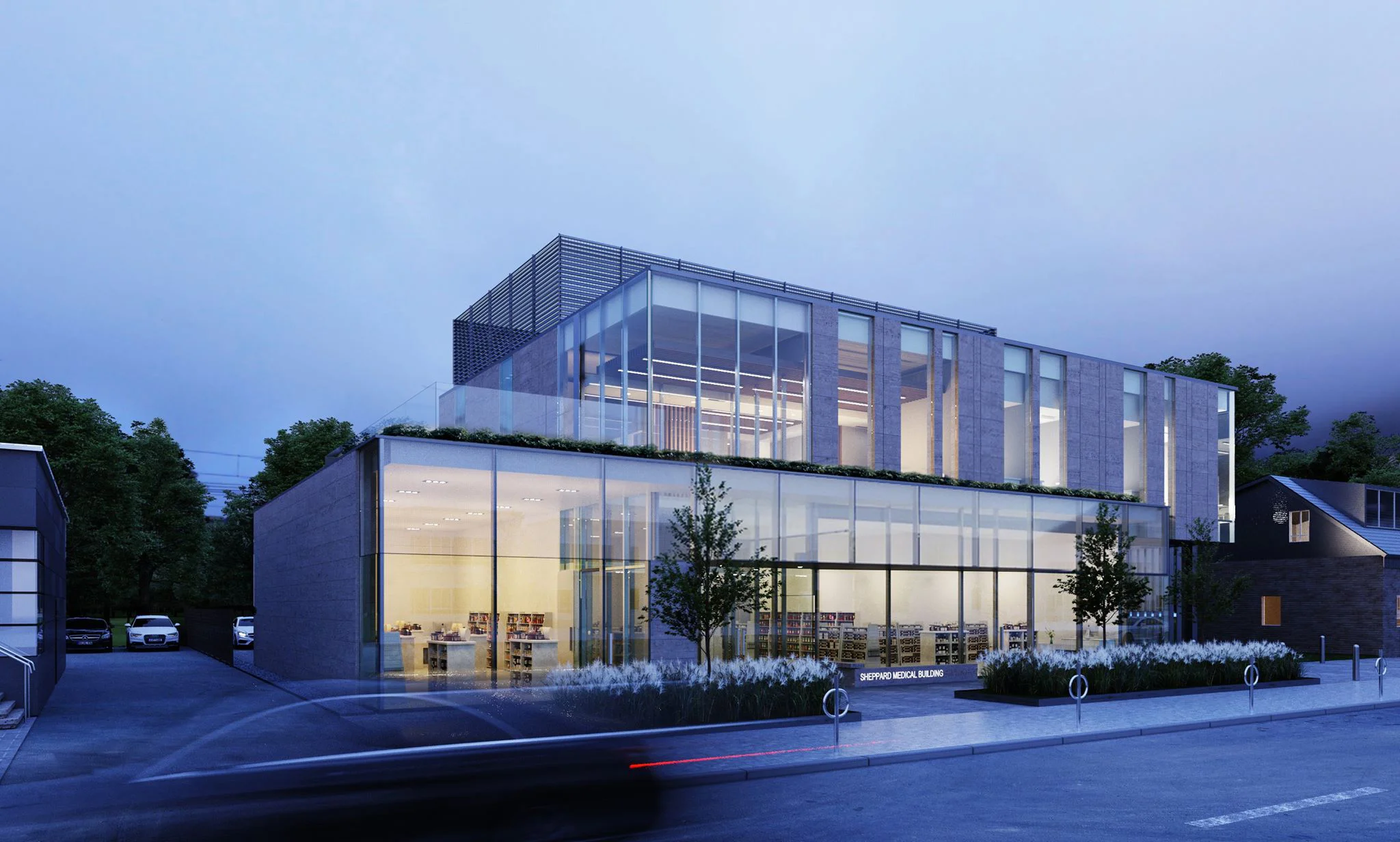
Healthcare and architecture alike exist in an ever-evolving landscape that must continually respond to new technologies, social, political and economic realities and environmental change. While these disciplines may appear distinct, they share a common purpose: improving quality of life by creating environments that support human health, wellbeing, and resilience.
Advancements in medical technology continue to transform the delivery of healthcare. Diagnostic equipment, digital health platforms, robotic surgery, and artificial intelligence are reshaping clinical practice and patient expectations. In turn, healthcare facilities must be designed with flexibility in mind, allowing them to accommodate rapidly changing technologies without requiring constant reconstruction. We respond in practice by creating adaptable spaces that can evolve alongside medical innovation, ensuring that facilities remain functional, efficient, and relevant over time.
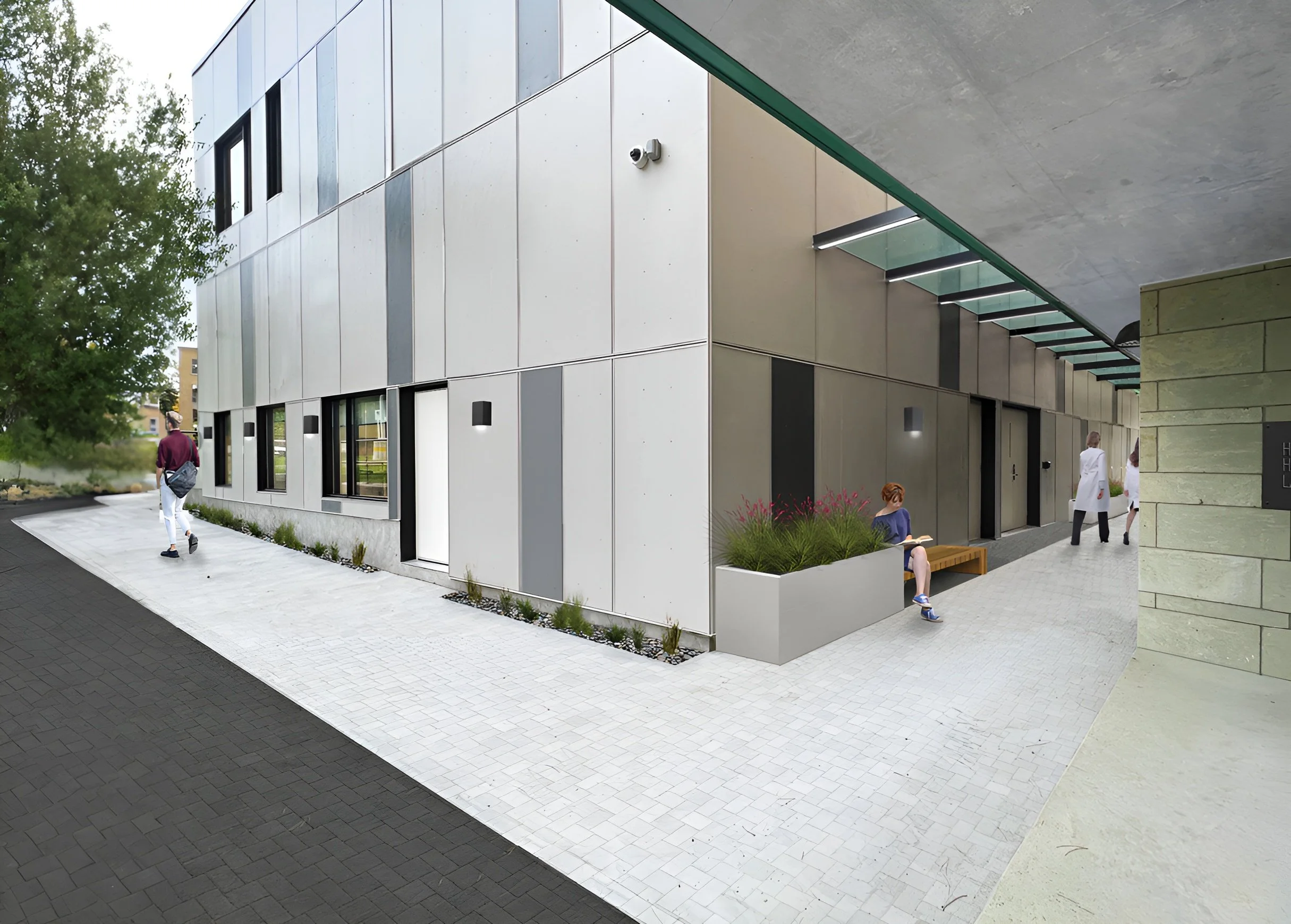
Social, political and economic factors also play a significant role in shaping healthcare infrastructure. Governments and healthcare organizations face ongoing pressures to balance rising demand with limited resources. Architects must therefore develop innovative solutions that maximize efficiency while maintaining high standards of care. Remaining up to date on demographic demand profiles, political initiatives and capital planning processes, and employing strategic spatial planning creates facilities that deliver long-term value while remaining responsive to changing healthcare priorities and funding realities.
Environmental change presents another urgent challenge. Climate change is increasing the frequency of extreme weather events, placing greater demands on healthcare systems and critical infrastructure. Healthcare facilities must be designed to remain operational during emergencies while reducing their own environmental impact. Sustainable architecture—including energy-efficient systems, resilient building materials, and reduced carbon emissions—is becoming an essential component of responsible healthcare design.
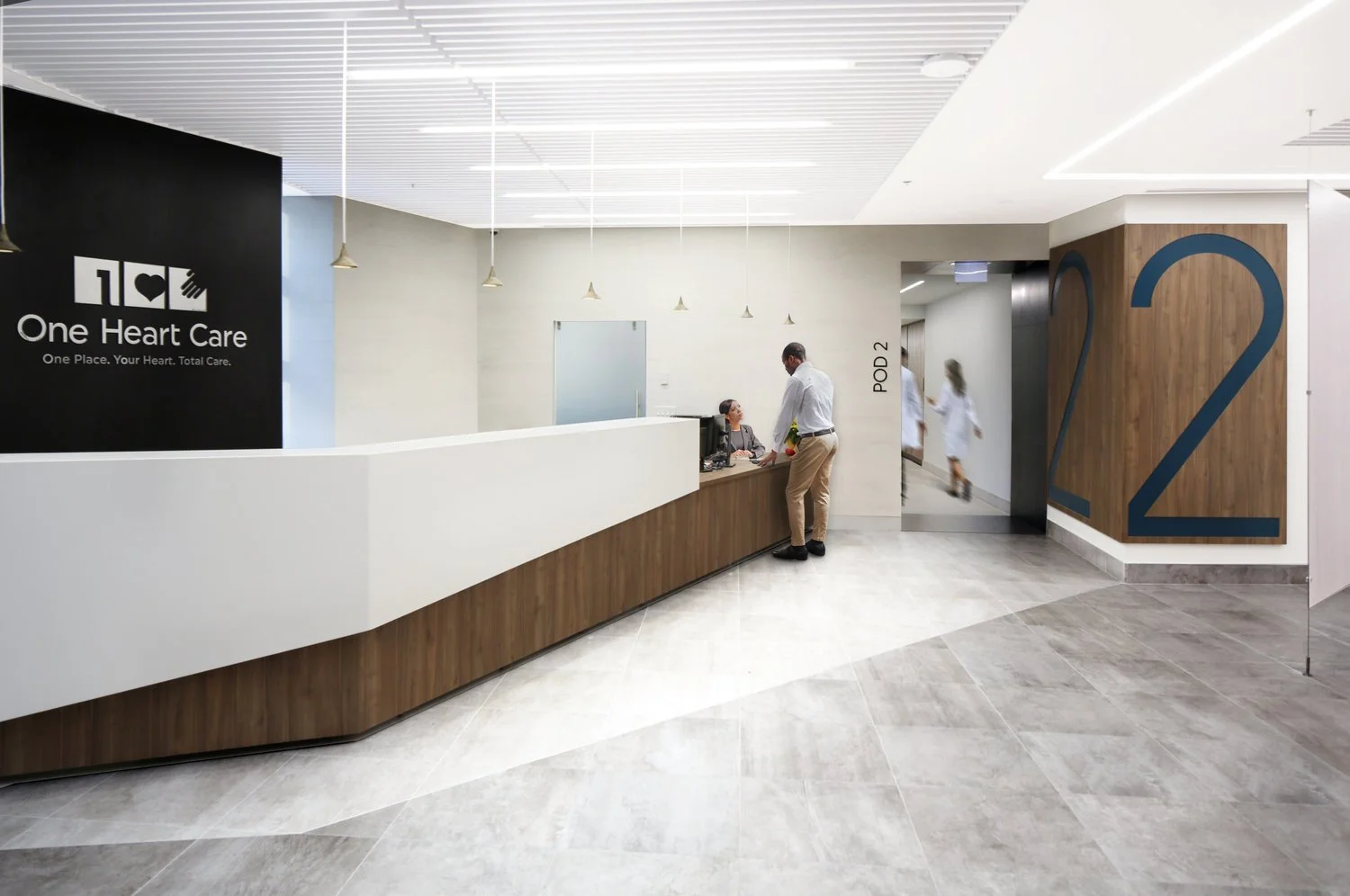
As healthcare and architecture continue to evolve, our shared commitment to innovation, resilience, and human wellbeing remains constant. By embracing change and anticipating future needs, the spaces we design play a vital role in creating healthier, more sustainable communities.